Elevate your business with AI
HomeHomePlatformPlatformResourcesResourcesProjectsProjectsUse CasesUse CasesAboutAboutBlogsBlogsContactContactAwardAwardPartnersPartners
Elevate your business with AI
Affiliated company: GoChat247

Company

  • About Us
  • Projects
  • Blogs
  • Certifications
  • Contact

Resources

  • Architecture Overview
  • Deployment Models
  • Security & Governance
  • RAG & Document Intelligence
  • API Gateway
  • Model Hosting
  • Request Technical Workshop

© 2026 GoAI247. All rights reserved.

Privacy PolicyTerms of Service
GoAI247
HomeBlogPlatform & Infrastructure
Platform & Infrastructure

Multi-Agent Orchestration: Coordinating AI Workforces Across GCC Enterprise Operations

How multi-agent orchestration lets GCC enterprises deploy specialised AI agents that plan, delegate, and complete complex workflows — from procurement to customer service — on a single governed platform.

G
GOAI247 Team
June 14, 20268 min read
Multi-Agent Orchestration: Coordinating AI Workforces Across GCC Enterprise Operations

Why One Agent Is Not Enough

Single-agent demos impress in the lab, but GCC enterprises run on cross-functional workflows: a customer complaint touches CRM, billing, knowledge bases, and escalation queues. Monolithic agents accumulate tools, context, and policies until they become slow, brittle, and impossible to audit. Orchestration splits work across specialists — each with scoped permissions and measurable outcomes.

The Orchestration Layer: Planner, Router, and Supervisor

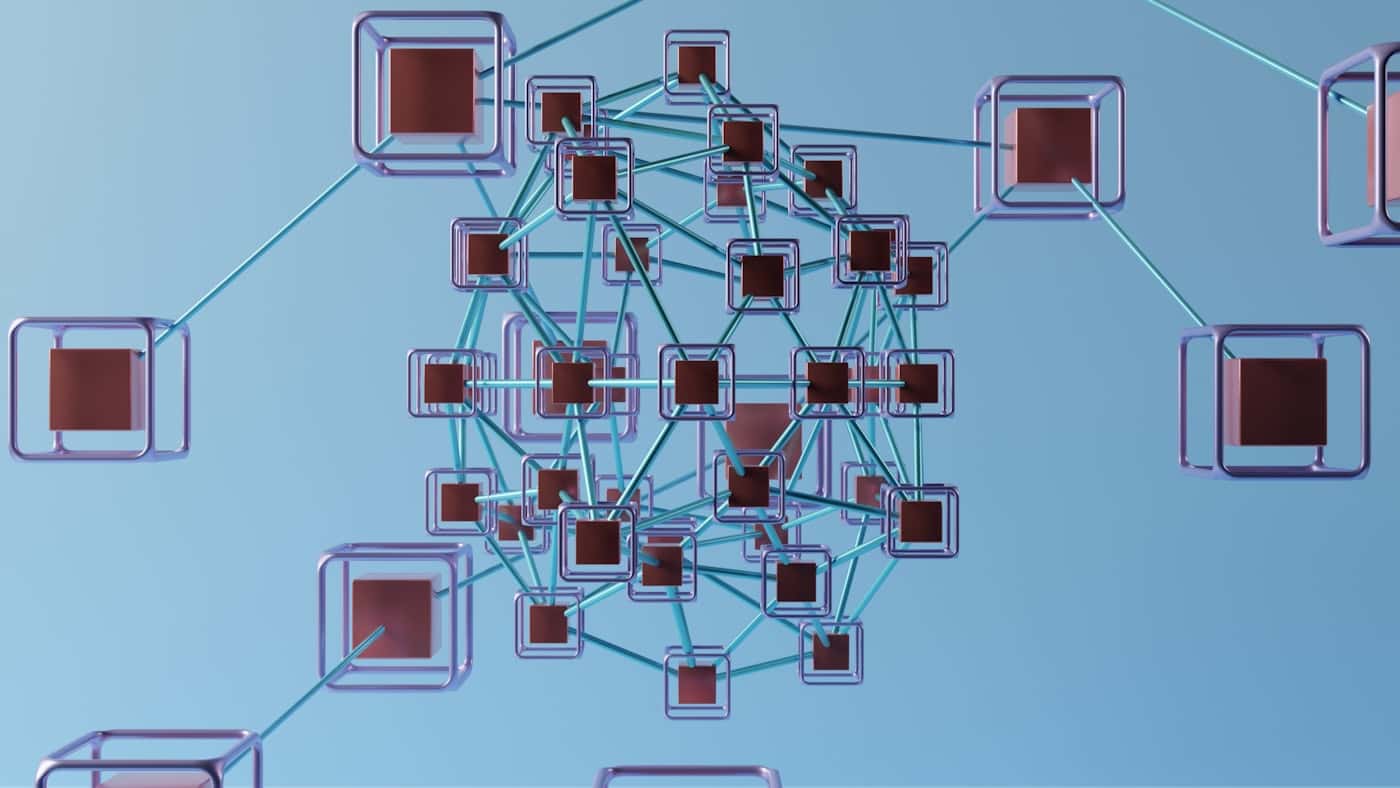
GoAI's reference architecture places a supervisor above worker agents. The supervisor interprets the goal, selects which specialists to invoke, monitors intermediate results, and enforces stop conditions. This mirrors how human teams operate — with clear handoffs and accountability at each step.

  • Router agent: classifies intent and routes to the right specialist workflow.
  • Retrieval agent: fetches grounded context from RAG corpora with citation discipline.
  • Action agent: executes scoped tool calls against CRM, ERP, or ticketing systems.
  • Approval agent: holds high-impact steps until a human or policy gate clears them.
  • Supervisor agent: orchestrates the full run, enforces budgets, and writes audit logs.

Patterns That Work in GCC Enterprises

The same orchestration patterns deliver across industries: tiered customer service with specialist agents per product line, procurement workflows that chain document extraction, supplier validation, and approval routing, and internal IT flows that separate triage, remediation, and closure agents.

Governance at the Orchestration Layer

Multi-agent systems multiply risk if every agent has broad tool access. Orchestration enforces least-privilege scopes per agent, shared audit logs across the full workflow, human-in-the-loop gates for high-impact steps, and cost and latency budgets so runaway agent loops cannot burn budget or stall customer journeys.

Observability: Tracing Multi-Agent Runs

Production orchestration requires end-to-end traces: which agent ran, which tools were called, what context was passed, and where latency or errors occurred. GoAI ships orchestration with structured tracing integrated into the same observability stack used for LLM gateways and RAG pipelines.

From Pilot to Platform

Teams that succeed start with one orchestrated workflow — often customer support or internal helpdesk — then reuse the supervisor pattern for new domains. The orchestration platform becomes shared infrastructure; each new agent is a configuration change, not a greenfield integration.

Key Takeaways

  • Complex GCC workflows need multiple specialised agents — not one generalist bot.
  • A supervisor layer plans, delegates, and enforces stop conditions across agents.
  • Least-privilege tool scopes per agent are mandatory for auditable orchestration.
  • End-to-end tracing is how you debug and govern multi-agent runs in production.
  • Build the orchestration platform once — add new agents as reusable specialists.
Tagged inGCCMLOpsAI AgentsEnterprise AIPlatform
G

Written by

GOAI247 Team

AI & Digital Transformation Experts

Practical insights on enterprise AI, RAG, and digital transformation across the Middle East and GCC.

Work with us

On this page

  • Why One Agent Is Not Enough
  • The Orchestration Layer: Planner, Router, and Supervisor
  • Patterns That Work in GCC Enterprises
  • Governance at the Orchestration Layer
  • Observability: Tracing Multi-Agent Runs
  • From Pilot to Platform
  • Key Takeaways

Keep reading

Related Articles

Continue exploring more insights and stories.

Agentic Automation in Finance Operations: Autonomous AI Agents for the GCC Back Office
Enterprise AI Solutions

Agentic Automation in Finance Operations: Autonomous AI Agents for the GCC Back Office

How autonomous AI agents are transforming finance back-office work across the GCC — accounts payable, reconciliation, and reporting — by reading unstructured documents, applying policy, and completing multi-step tasks behind a human approval gate.

Tagged in

GCCAI AgentsEnterprise AI+2
July 19, 20268 min read
From RPA to Agentic Automation: The Next Wave of Process Intelligence for GCC Enterprises
Platform & Infrastructure

From RPA to Agentic Automation: The Next Wave of Process Intelligence for GCC Enterprises

Rule-based RPA automates the predictable but breaks on exceptions and unstructured work. Here is how GCC enterprises are moving to agentic automation — where AI agents reason, adapt, and complete end-to-end processes under governance.

Tagged in

GCCAI AgentsEnterprise AI+2
July 12, 20269 min read
Continuous AI Evaluation: How GCC Enterprises Ship Reliable LLM Applications in Production
Platform & Infrastructure

Continuous AI Evaluation: How GCC Enterprises Ship Reliable LLM Applications in Production

Why one-off LLM benchmarks fail in production — and how continuous evaluation suites, golden datasets, and regression gates help GCC enterprises deploy GenAI, RAG, and agents with measurable quality and regulatory confidence.

Tagged in

GCCGenAIMLOps+2
June 28, 20269 min read
View all articles